What you wear to the shooting range matters more than most people expect. The right clothes keep hot brass off your skin, keep your eye and ear protection working, and keep you comfortable enough to focus on the shooting. The wrong clothes can turn a good range day into a lesson in how hot a freshly ejected casing really is.
Here is what to wear to the range, indoors or out, and what to leave at home.
The quick list
- A crew neck shirt, not a low V-neck or scoop neck.
- A brimmed cap.
- Closed-toe shoes with a solid sole.
- Pants or shorts with a sturdy belt.
- Layers you can add or remove without taking your ear protection off.
- Safety glasses and hearing protection, every time.
Shirts: why the neckline matters
Semi-automatic pistols and rifles throw empty brass out of the ejection port, and that brass is hot. At an indoor range with shooters on both sides of you, it comes from every direction. A casing that drops down a low-cut shirt sticks against your skin, and the natural reaction is to grab at it with a loaded gun in your hand. That reaction is the real danger, not the small burn.
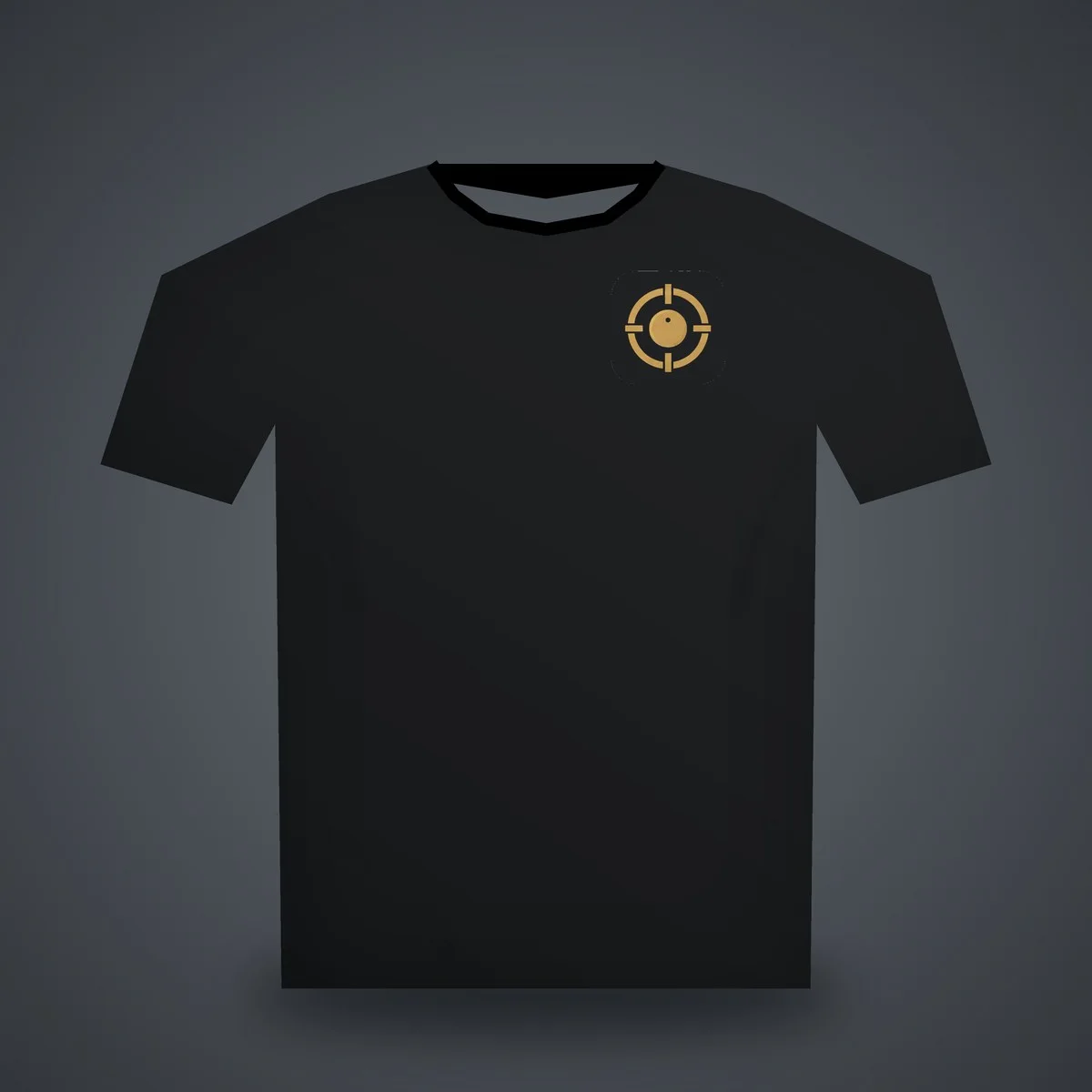
A crew neck closes the gap. A fitted tee that sits close at the collar is better than a loose, stretched-out one. Our Draw The Pew Logo Tee is printed on the Bella+Canvas 3001, a soft, light crew neck with a retail fit and a collar that keeps its shape wash after wash, which is exactly what you want on the firing line.
Skip tank tops and loose button-downs left open. If you like a button-up shirt for sun cover, button it to the top.
Hats: more than sun cover
A brimmed cap does three jobs at the range. It shades your eyes so you can see your sights. It keeps rain and glare off your glasses. And it blocks brass that comes over the top of your safety glasses, which is more common than you would think when the shooter next to you runs a rifle.
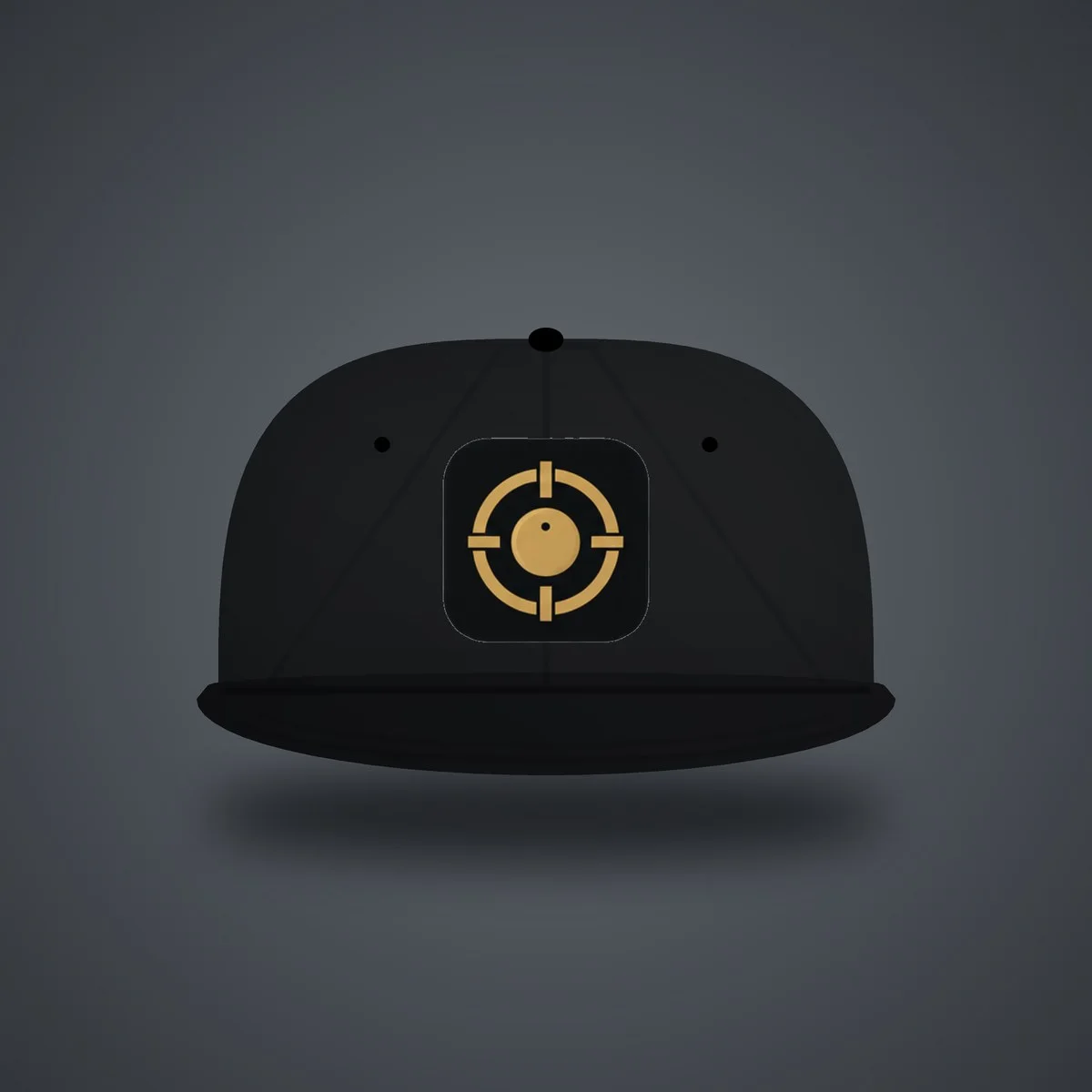
The catch is hearing protection. A big button on top of a cap can push earmuffs off your ears and break the seal. Look for a low-profile cap, or one with no button at all. The MultiCam version of our Draw The Pew Snapback is the Richardson 112PT, which has no top button, so it will not press into your head under muffs.
Shoes: closed toe, always
Most ranges require closed-toe shoes, and for good reason. Hot brass lands at your feet all day, gravel and shell casings make the ground uneven, and you may be standing for hours. Wear sneakers, hiking shoes or boots with a solid sole. Leave sandals and flip-flops in the truck.
Pants, belts and pockets
Jeans, work pants or range pants all work. What matters is a sturdy belt if you shoot from a holster, and pockets that hold what you need. A flimsy fashion belt lets a holster tip and shift, which makes drawing slow and unsafe. Cargo pockets are handy for spare magazines, a pen and a few target pasters.
Shorts are fine at most outdoor ranges in summer. If you shoot prone or kneel on gravel, you will wish you wore pants.
Layers for cold mornings and long days
Outdoor ranges are exposed. Early morning in fall can start at 40 degrees and end at 75. Dress in layers you can change without taking off your eye and ear protection or leaving the line in a hurry.
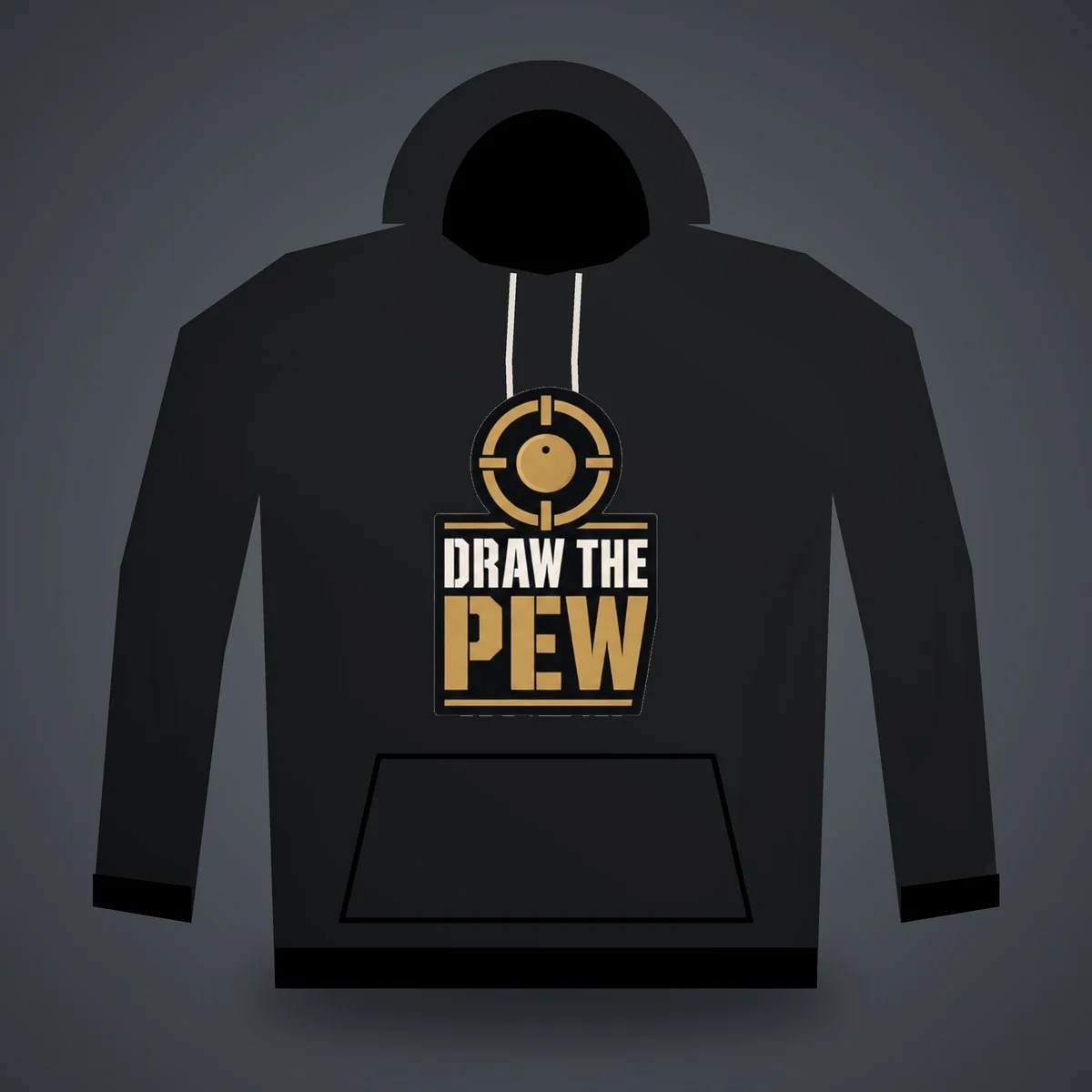
A midweight hoodie is the classic range layer. Keep the hood down while you shoot so it does not get in the way of your earmuffs or your view, and choose a pullover that does not hang loose around a holster. Our Draw The Pew Range Hoodie is an 8.5 oz fleece pullover with a relaxed but not baggy fit, made for exactly those cold mornings on the line.
In the rain, a light shell jacket beats a poncho, which flaps around and catches on everything.
Eye and ear protection are part of the outfit
Every range requires eye and ear protection, and you should never take them off while anyone is shooting.
- Eyes: wear wraparound safety glasses rated ANSI Z87.1. Regular sunglasses and most prescription glasses are not impact rated. If you wear prescription lenses, get rated safety glasses that fit over them or prescription safety glasses.
- Ears: foam plugs, earmuffs or both. Indoor ranges and rifles with muzzle brakes are loud enough that many shooters wear both. Read our guide to hearing protection for shooting to choose the right setup.
Indoor ranges and lead
Shooting releases small amounts of lead, especially at indoor ranges. A few simple habits keep it out of your house:
- Do not eat, drink or touch your face on the line.
- Wash your hands and face before you eat or leave. Cold water and a soap made for lead removal work best.
- Change clothes and shoes when you get home if you can, and wash range clothes separately from the rest of the laundry.
What to leave at home
- Low-cut shirts and tank tops.
- Sandals and open-toe shoes.
- Loose scarves, lanyards and anything that dangles near the gun.
- Big top buttons on hats if you wear earmuffs.
- Your best clothes. Ranges are dusty, and gun oil does not wash out easily.
Ready for the range
Dress right and you will barely think about your clothes, which is the point. Once you have the outfit covered, read up on gun range etiquette before your first visit, and use our range bag checklist so nothing gets left behind.
Every Draw The Pew order also earns bonus entries in our live firearm prize drops whenever a drop is open. See how it works, or shop the range gear.